
"or acetic acid"
400 article(s) found
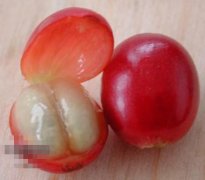
Coffee bean extraction method
Coffee should turn red and ripe before picking. Beans are sweeter. If coffee farmers in order to save trouble, regardless of whether the coffee fruit ripe green red together will make coffee drink to death sour mouth, so fine coffee must pick mature red fruit.

Differences, distinctions and awards of coffee beans treated with Kaddura red wine at Hartmann Manor in Panama
Professional barista communication please pay attention to the coffee workshop (Wechat official account cafe_style) Kaddura is a single gene variant of Bourbon bourbon, was found in Brazil in 1937, production capacity and disease resistance are better than bourbon, and the tree is shorter, easy to harvest, but like bourbon, there are periodic problems of production capacity fluctuation every two years. But it is adaptable and does not need shade trees.

What is the flavor of Hartmann Manor Red Wine treatment? describe the characteristics of planting information
Professional barista communication please pay attention to the coffee workshop (Wechat official account cafe_style) this batch is treated with red wine Kaddura species, from a grinding out of a super strong fruit wine, accompanied by a fresh smell of smoked wood, coupled with the sun's special sweet and fragrant berries, smell it, you will be drunk. After the entrance, it is accompanied by rich tropical fruit flavors, such as passion fruit and mango.

What is the red wine treatment in coffee? is red wine added to the coffee wine treatment?
Professional coffee knowledge exchange more coffee bean information Please follow the coffee workshop (Wechat official account cafe_style) mentioned the coffee treatment, nothing more than washing, sun honey treatment and wet planing, today Qianjie Coffee will introduce the wine treatment to you! Can you think of the relationship between coffee and red wine? I'm sure you've heard of the traditional coffee making process, but

Flavor and taste of coffee beans treated by natural de-pectin sun treatment and Brazilian half-sun treatment
The flavor and taste of coffee beans treated by sun and Brazilian half-sun the sticky pods of red fruits are removed and moved into a large tank followed by the most important water washing and fermentation to remove pectin shavings from the pods. This sticky material is not easy to wash away with water, so it is necessary to hydrolyze the pectin with various bacteria in the tank, decompose the pectin and rinse the beans in the tank.
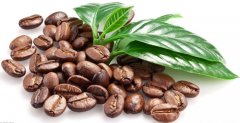
Introduction to the treatment of raw beans-- what is the washing method? How to deal with raw coffee beans
Water washing-increase fruit acid spirit: water washing is the most popular treatment method at present, and water washing is used in almost all Central and South America except Brazil. The color of the washed beans is blue and green, the appearance of the beans is neat and the pulse is good, and the coffee quality is the highest. Generally speaking, the sour flavor and bright feeling of washed beans are better, and the flavor is clean and free of miscellaneous flavor, which is the most commonly used method for the treatment of fine coffee.

What's the difference between washed coffee and sunny coffee?
1. Solarization-thanks to one shot: the oldest bean-producing countries, Ethiopia and Yemen, almost all use the sun to get the beans, take out the red fruits and half-green and half-red fast-ripening fruits that have sunk to the bottom of the trough and spread them in a bean drying farm for natural drying. The time depends on the weather. It takes about two to four weeks to reduce the water content of the coffee beans in the fruit to 12% and harden, and then use a sheller to remove the stiff flesh and sheep.

How to produce decaf coffee? Solvent extraction supercritical fluid extraction water treatment
Having a cup of coffee in the morning to kick off the day's work has become a daily ritual for many people, and even tasting coffee has become a social activity. However, the problem that bothers many people is that although they like the unique smell of coffee, they do not want coffee to be too "refreshing" to affect their daily life. Decaf coffee (decaf coffee, also known as decaf coffee)

How to judge the acidity of coffee between good acid quality and bad acid quality
Professional coffee knowledge exchange more coffee bean information please pay attention to the coffee workshop (Wechat official account cafe_style) sour, good sour will not be like vinegar, that is, bright and lively can also be detected like citrus, berries or sweet lemon and many other kinds of acid, there are melons like cantaloupe sweet and sour or just ripe apple crisp sour. The above acids are of high quality; bad acids are like unripe fruit.

Flavor characteristics, producing areas and brewing ginseng of coffee beans treated with Kaddura red wine in Hartmann Manor, Panama
Professional barista communication please pay attention to the coffee workshop (Wechat official account cafe_style) Kaddura is suitable for planting in 700m low altitude to 1700 m high altitude area, the altitude adaptability is very strong, the higher the altitude, the better the flavor, the relative reduction of production capacity, this is the fate of boutique beans. In academic circles, some people call Kaddura the bourbon of dense and exposed version, which can be said to hit the nail on the head. There are also varieties in Central and South America.

Is the acid of fine coffee called caffeic acid? is there a scientific basis for the acid of coffee?
When you drink a kind of coffee with good acidity, you may feel very common, because you don't know how to describe it, only for people who don't know much about coffee. In the Qianjie Coffee Factory, when testing new beans, the baker will always take the trouble to explain to us the sour coffee, its flavor and what tone it belongs to.

Introduction to the treatment of coffee beans there are several treatment methods for mechanically semi-washed coffee beans
Mechanical semi-washing-economical half-sun method can not be used in all producing areas. If the producing area with heavy moisture is allowed to take out the pectin pods and expose them outdoors, it is not only not easy to be dehydrated and hard, but also prone to parasitic molds. therefore, the mechanical semi-washing method has been developed in areas with heavy humidity, which saves both effort and water. First put the red fruit and the half-green and half-red fruit that have sunk into the sink

Coffee cherries are made from beans.
If coffee farmers in order to save trouble, regardless of whether the coffee fruit ripe green red together will make coffee drink to death sour mouth, so fine coffee must pick mature red fruit. Distinguish between floating beans and sinking beans: coffee berries picked from coffee fields must not be mistaken and must be sent to the treatment plant on the same day. immature Ripe fruit retains ripe red fruit. simplest

[red wine treatment] ~ taste characteristics of Panamanian coffee in Hardman, Panama
Professional coffee knowledge exchange more coffee bean information please follow the coffee workshop (Wechat official account cafe_style) red wine handling?! It seems that after sasa won the championship, the domestic boutique coffee industry gradually understood this minority treatment method. Then, roughly explain [red wine treatment] red wine treatment, also called controlled fermentation, or lactic acid / acetic acid fermentation.

Hartman's coffee beans are treated with red wine. how to cook them in order to have the aroma of wine?
For more information on coffee beans, please follow the Coffee Workshop (Wechat official account cafe_style) Red Wine treatment, also known as controlled fermentation, or lactic acid / acetic acid fermentation experimental team led by American Felipe Sardi, made up of biological scientists and ecologists. The special picking team has been trained and strictly complied with the quality coffee beans.
Boutique coffee roasting knowledge of acid in roasted coffee
Formic acid is the most in shallow baking, and acetic acid is the most in shallow baking with the deepening of deep baking. with the deepening of deep baking, pyruvate and baking degree-independent lactic acid and baking degree-independent malic acid are the most in shallow baking, and citric acid is the most in shallow baking with the deepening of deep baking.

Basic knowledge of sour coffee in roasted coffee
There are mainly the following kinds of acids in roasted coffee: formic acid is the most in shallow roasting, and acetic acid decreases gradually with the deepening of deep roasting. With the deepening of deep baking, pyruvate and baking degree independent lactic acid and baking degree independent malic acid are the most, while citric acid decreases with the deepening of deep roasting.
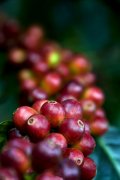
The way of picking beans from Coffee Fruit the processing of Coffee Cherry
The beans are sweeter when the coffee is picked after it is red and ripe. If coffee farmers in order to save trouble, no matter whether the coffee fruit is ripe or not, picking it together will make the coffee sour and astringent, so the fine coffee must choose the ripe red fruit. Distinguish between floating beans and sunken beans: coffee fruits picked from coffee fields should not be mistaken and must be sent to the processing plant on the same day. Immature

How to deal with coffee beans? how to handle coffee? how to deal with high-quality coffee?
After taking out the sticky pods of the red fruit, move them into a large sink, followed by the most important washing and fermentation to remove pectin shavings from the pods. This sticky material is not easy to wash away with water, so it is necessary to hydrolyze the pectin with all kinds of bacteria in the tank, decompose the pectin and wash the pods in the tank to accelerate the pectin to break away from the pods. The fermentation process takes about 16 to 36 hours.
General knowledge of Fine Coffee Acid in roasted coffee
There are mainly the following kinds of acids in roasted coffee: formic acid is the most in shallow roasting, and acetic acid decreases gradually with the deepening of deep roasting. With the deepening of deep baking, pyruvate and baking degree independent lactic acid and baking degree independent malic acid are the most, while citric acid decreases with the deepening of deep roasting.